Don t Worry Be Capy Funny Capybara Shirt Review
As a designer who has spent years navigating the intersection of digital art and physical stitching, I approach every new machine embroidery design with a mix of excitement and skepticism. The market is flooded with graphics that look stunning on a screen but fall apart under the tension of a needle. When I first encountered the Don t Worry Be Capy Funny Capybara Shirt file, my initial reaction was one of genuine delight. The capybara trend is undeniable, and this specific Graphics asset captures the laid-back, chill personality of the animal perfectly. However, before I recommend it for your next handmade product or Etsy seller listing, we need to look past the cute factor and evaluate how it performs in a real-world embroidery project.
The First Impression: Mood and Visual Weight
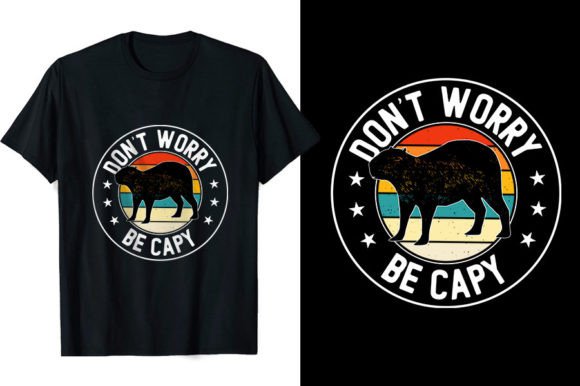
Opening the file, the layout immediately suggests a design built for impact rather than intricate detail. The phrase "Don't Worry Be Capy" is bold, playful, and pairs seamlessly with the rounded, soft shapes of the capybara illustration. In the world of T-Shirt Designs, this kind of visual hierarchy is crucial. It tells the eye where to look first—the animal—and then guides it to the text. For an embroidered patch or a chest logo on a sweatshirt embroidery project, this balance works beautifully. The design feels friendly and approachable, making it an excellent candidate for personalized gift items or boutique merchandise aimed at a younger demographic.
However, as a reviewer, I always ask myself: does this translate well from vector to thread? The clean lines suggest that the stitch density will be manageable, avoiding the common pitfall of over-stitching which can cause puckering on lighter fabrics. If you are planning to use this for baby embroidery or delicate nursery decor, the lack of aggressive, jagged edges is a significant plus. It implies a smoother finish, likely utilizing a combination of fill stitch for the body and perhaps some satin stitch accents for the eyes or mouth to add definition without overwhelming the fabric.
Real-World Application: From Hoop to Finished Product
Let's imagine a specific scenario. You are preparing a line of custom tote bags for an upcoming craft fair. You want something that stands out but remains professional. The Don t Worry Be Capy Funny Capybara Shirt design fits this brief perfectly. On a canvas tote bag design, the texture of the fabric actually helps hide minor imperfections in the stitching, while the bold nature of the graphic ensures it reads clearly from a distance. Customers browsing your booth would instantly connect with the humor and the aesthetic, increasing the likelihood of a sale.
I also see great potential for this design on custom apparel like hoodies or heavy cotton tees. The weight of the garment supports the thread colors well, allowing for vibrant pops of green, brown, or even pastel tones depending on your color palette. If you were to create a holiday embroidery item, perhaps a festive pillow cover or a kitchen towel, the neutral background of the capybara allows you to experiment with seasonal thread variations. This versatility makes it a valuable asset for any small shop product lineup.
For those selling digital product previews, this design serves as an excellent example of what a printable mockup should convey. Even in a black and white preview, the contrast between the text and the character is strong. This clarity builds customer trust because buyers can visualize the final result without ambiguity. Whether you are offering the embroidery file itself or showcasing a finished finished product, the design maintains its integrity across different presentation formats.
Navigating Challenges: Where Caution Is Needed
While the design is robust, no machine embroidery design is foolproof. There are specific situations where you must exercise caution. If you attempt to downsize this graphic for a small hoop size, such as a 4x4 inch hoop, the lettering might become too dense. Tiny lettering often suffers from thread breakage or loss of legibility once stitched. Always test the design on scrap fabric first to ensure the running stitch details in the text remain crisp at your desired scale.
Fabric choice is another critical factor. While the design looks great on standard cotton, using it on stretchy fabrics like jersey knit requires a high-quality stabilizer. Without proper backing, the tension of the needle could distort the capybara's shape, ruining the "chill" vibe you are trying to achieve. Similarly, if you are working with textured fabrics like denim or fleece, the stitch density might need adjustment to prevent the stitches from sinking into the pile of the fabric. For dark fabric projects, you will need to ensure your thread colors offer enough contrast; a light gray outline might get lost against a navy blue shirt, so consider adjusting the palette in your software before starting.
Furthermore, curved surfaces like caps present their own challenges. The flat nature of the original Graphics means that when applied to a curved bill, the bottom of the text might appear slightly distorted. It is essential to check how the design sits on a curved surface during your test run. If you are creating an embroidered patch to be sewn onto a jacket later, these issues are less relevant, but for direct-to-garment application on hats, precision is key.
Practical Designer Notes for Success
To maximize the value of the Don t Worry Be Capy Funny Capybara Shirt design, I recommend a few practical steps. First, always confirm the licensing terms. Since the description mentions it is available for print items, verify if this extends to commercial embroidery where you sell the physical goods. Some files allow personal use only, while others grant full commercial rights. Never assume; checking this upfront protects your business from legal headaches.
Secondly, review the file structure. As the description notes, it is a 100% Vector File and Print Ready. This is excellent for scaling, but remember that embroidery machines require specific conversion. Ensure your digitizing software handles the vector paths correctly to generate efficient fill stitch patterns. Avoid simply converting the vector directly without reviewing the stitch types; sometimes automatic conversion creates unnecessary jumps or trims that waste time and thread.
Finally, think about your brand consistency. Does this fun, whimsical design align with your overall shop aesthetic? If your brand is minimalist and serious, this might feel out of place. But if you cater to a community of crafters, hobbyists, and lovers of quirky decor, it is a perfect fit. Use design assets like this to tell a story about your brand—one that values creativity, humor, and quality craftsmanship.
In conclusion, the Don t Worry Be Capy Funny Capybara Shirt is more than just a trendy image; it is a functional tool for creative entrepreneurs. With proper preparation, attention to fabric and stabilizer choices, and a clear understanding of its limitations, it can elevate your craft business offerings. Whether you are making a single personalized gift or stocking up inventory for the holiday season, this design offers a reliable path to a charming and professional-looking finished product.