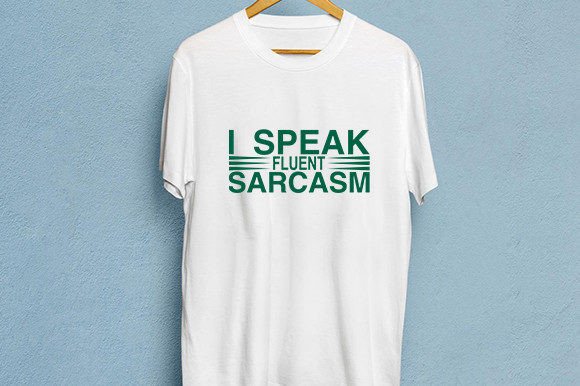
Funny Craft 4 SVG Design: A Real-World Review
As a designer who has spent years translating digital files into tangible thread on fabric, I approach every new asset with a mix of excitement and skepticism. The market is flooded with generic T-Shirt Designs, but finding a piece that actually translates well from screen to stitch is rare. Today, I am evaluating the Funny Craft 4 SVG Design. Before you download this zip file or add it to your commercial embroidery catalog, let's break down how this specific graphic performs in a real workshop environment.
First Impressions: Mood and Visual Weight
When I first opened the preview for the Funny Craft 4 SVG Design, the immediate reaction was one of playful utility. Unlike overly complex illustrations that often get lost in translation during digitization, this design strikes a balance between personality and structural integrity. It feels like a Graphics file built for impact rather than subtle nuance. The lines are confident, and the layout suggests it was created with the limitations of physical media in mind.
The mood it creates is lighthearted and approachable, making it an excellent candidate for custom apparel or casual home goods. However, as a reviewer, my primary concern is always whether the visual weight holds up when converted from a vector path to a machine embroidery design. In this case, the bold shapes suggest that it will render cleanly even with moderate stitch density. This is crucial because many funny designs rely on tiny details that simply cannot be stitched without looking muddy or requiring excessive thread trimming.
Putting It to Work: A Sweatshirt Scenario
To truly test the potential of the Funny Craft 4 SVG Design, imagine a scenario where I am preparing a limited run of holiday gifts for a local boutique client. They want custom sweatshirts that feel handmade yet professional. I load the SVG File into my digitizing software to visualize the stitch paths. My goal is to see if the design works as a chest logo or a back print.
In this context, the design shines. The shapes are distinct enough to allow for a clean fill stitch without needing thousands of unnecessary stitches that would cause puckering on heavy cotton fleece. If I were to use this for sweatshirt embroidery, I would likely opt for a medium-weight stabilizer to ensure the fabric doesn't distort under the needle pressure. The result would be a crisp, raised texture that customers love to touch. This tactile quality is what separates a cheap transfer from a high-value handmade product.
Furthermore, the versatility of the included formats—DXF File, EPS File, and PNG File—means I can adapt the workflow. If the client decides they want a woven label instead of direct stitching, the vector data allows me to send the artwork to a patch manufacturer seamlessly. For the embroidered patch version, the defined edges of the Funny Craft 4 SVG Design would create a sharp border, ensuring the final product looks premium when sewn onto denim jackets or canvas bags.
Navigating Fabric Challenges and Limitations
While the design is robust, no embroidery file is perfect for every situation. As a professional, I must advise caution when applying this to certain substrates. The Funny Craft 4 SVG Design features areas that could be problematic on very thin or highly stretchy fabrics. If you attempt to embroider this directly onto a lightweight jersey tee without proper backing, the tension might pull the threads, distorting the "funny" elements into unrecognizable shapes.
Additionally, consider the surface area. If you are working with a small hoop size, such as a 4x4 inch cap hoop, you may need to scale the design significantly. Scaling down too much risks losing the legibility of any text or intricate curves within the graphic. In these cases, the running stitch outlines might become too dense, leading to thread breaks or uneven coverage. It is always safer to test the design on scrap fabric first. Check the thread colors against the background; a dark design on a black sweatshirt requires a different color strategy than on a cream tote bag.
Another consideration is the frequency of washing. Products like kitchen towels or aprons endure harsh laundering. While the Funny Craft 4 SVG Design appears durable, the longevity depends heavily on the digitizing quality. Ensure that the stitch density isn't so tight that it causes the fabric to tear over time. Using a cut-away stabilizer for items that will be washed frequently is non-negotiable for maintaining the integrity of the finished product.
Business Value for Etsy Sellers and Crafters
For the Etsy seller or small shop owner, the value of this asset goes beyond just the look. It is about brand consistency and customer trust. When a buyer receives a personalized gift, the quality of the embroidery speaks volumes about your craftsmanship. The Funny Craft 4 SVG Design offers a unique aesthetic that stands out in a sea of cliché quotes and clip art. This uniqueness drives engagement and makes your listings more memorable.
If you are creating digital product previews or printable mockups, the included JPEG File and PNG File are invaluable. You can quickly generate professional-looking images for your social media or online store without needing to physically stitch every variation. This speeds up your workflow, allowing you to focus on marketing and customer service. However, always remember to confirm the licensing terms before selling finished items or reselling the digital assets themselves. Just because the file is versatile doesn't mean the license covers unlimited commercial use.
Practical Designer Notes for Success
To get the most out of the Funny Craft 4 SVG Design, follow these practical steps:
- Test on Scrap Fabric: Never skip the test run. Stitch it on a similar material to your final project to check for puckering or registration issues.
- Review Thread Contrast: Ensure the design pops against the fabric. Sometimes a simple change in thread colors can elevate the entire look.
- Check Hoop Size: Verify that the design fits comfortably within your machine's hoop without forcing the fabric, which leads to poor tension.
- Inspect Small Details: Zoom in on the digitized version to ensure there are no floating stitches or overly dense areas that could jam your machine.
- Use Proper Stabilizer: Match the stabilizer type to the fabric weight. Tees need tear-away, while knits and stretchy items require cut-away or water-soluble options.
In conclusion, the Funny Craft 4 SVG Design is a solid addition to any creative entrepreneur's library. It balances humor with technical feasibility, making it suitable for everything from baby embroidery to holiday embroidery projects. By understanding its strengths and limitations, you can leverage this design asset to create high-quality, sellable products that resonate with your audience. Whether you are a hobbyist making gifts for friends or a business owner scaling your inventory, this design offers the flexibility and charm needed to succeed in the competitive world of handmade decor and apparel.