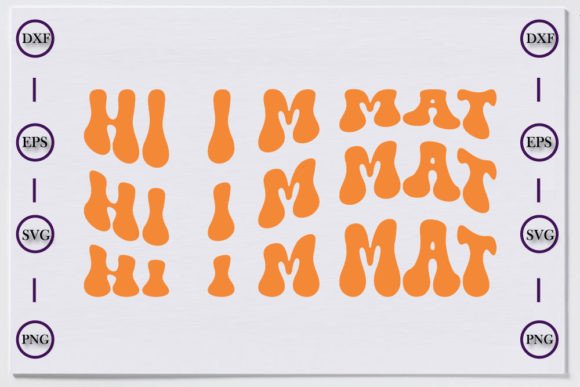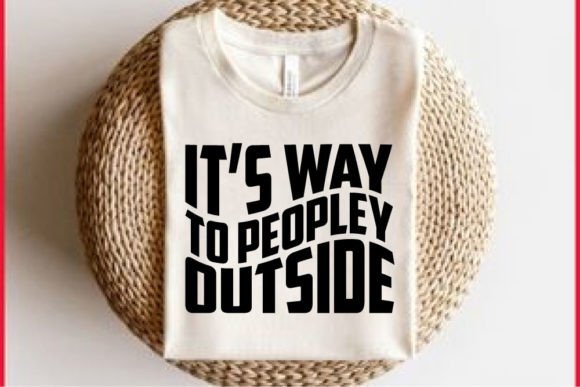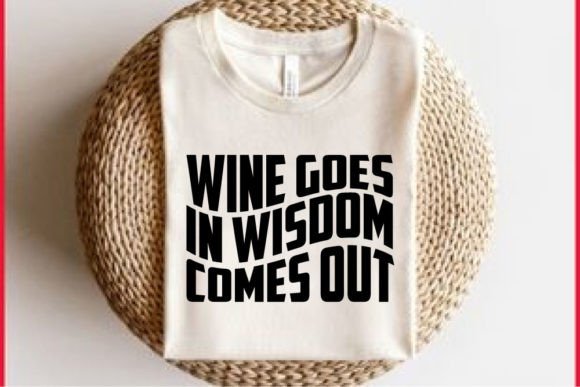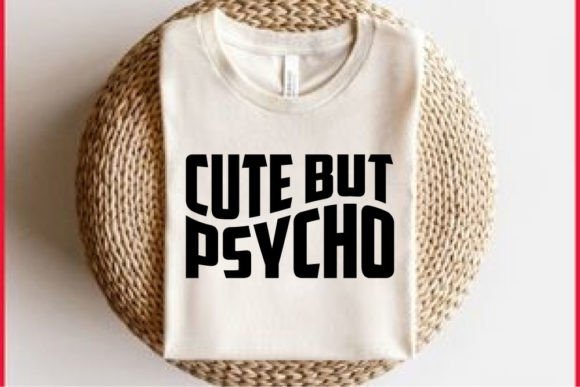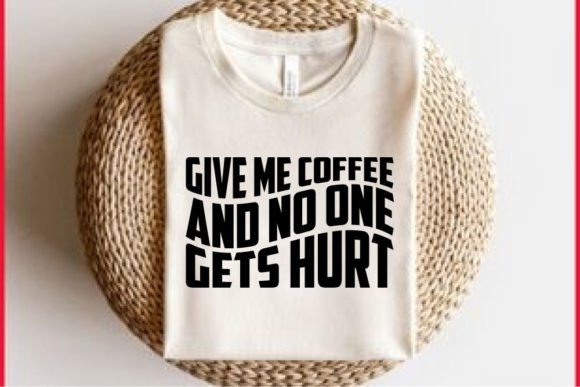
Retro Funny T-shirt Design, Give Me Coffee Review
As someone who has spent years threading machines and troubleshooting stitch issues for clients, I approach every new digital asset with a critical eye. The market is flooded with generic T-Shirt Designs, but finding a piece that balances humor with technical viability is rare. Today, I am evaluating the Retro Funny T-shirt Design, Give Me Coff. This specific graphic promises a playful "Give me coffee and no one gets hurt" message wrapped in a nostalgic aesthetic. Before you download this file or commit to a production run, let’s break down how it translates from a screen to a stitched reality.
First Impressions: Mood and Visual Personality
The first thing that strikes you about the Retro Funny T-shirt Design, Give Me Coff is its immediate emotional hook. The retro typography combined with the bold statement creates a vibe that feels both vintage and perpetually relevant. For an embroidery project, visual clarity is paramount. In the preview files provided—specifically the SVG and PNG formats—the lines appear crisp, and the layout suggests a design that will read well even from a distance.
This isn't just a graphic; it is a conversation starter. When I visualize this as a finished product, I see it working perfectly on a heavy cotton tote bag or a distressed sweatshirt. The mood is lighthearted yet assertive, which is exactly what modern craft buyers look for in personalized gifts. However, the success of any machine embroidery design relies on how those digital lines translate into physical thread. Does the font have enough thickness to support a fill stitch without looking muddy? Do the curves hold their shape?
Real-World Application: From Screen to Stitch
Let’s imagine a real scenario. You are an Etsy seller preparing a batch of holiday gifts. You decide to use the Retro Funny T-shirt Design, Give Me Coff on a collection of canvas aprons and kitchen towels. These items need to withstand frequent washing and handling. The design's simplicity is its greatest strength here. Unlike overly complex illustrations that require hundreds of trims and color changes, this graphic appears streamlined.
When converting this embroidery file for your machine, the key lies in the stitch density. If the retro font includes thin serifs or tight corners, you must be cautious. A high-density fill can cause puckering on fabric like a tea towel or a fitted cap. Conversely, if the design is too open, the backing might show through, ruining the professional look of your handmade product. I recommend testing the design on scrap fabric first to gauge the balance between satin stitch and fill stitch areas. This ensures that the final result maintains the integrity of the original Graphics while adding the tactile quality of thread.
For custom apparel, such as a boutique sweatshirt line, the placement matters. Centering this design on the chest works well, but consider the scale. If you shrink it too much for a small hoop size, the text may become illegible after stitching. The phrase "Give me coffee and no one gets hurt" needs to be readable at a glance. This makes it an excellent candidate for larger projects like pillow covers or oversized tote bags where the detail can breathe.
Considerations for Fabric and Texture
Not all fabrics play nice with every design. While the Retro Funny T-shirt Design, Give Me Coff looks great on a mockup, you must account for fabric texture. Embroidering on textured materials like fleece or heavy denim requires a robust stabilizer. Without proper stabilization, the needle tension can pull the threads unevenly, distorting the retro curves of the lettering.
If you plan to use this on dark fabric, such as a navy blue hoodie or black tote bag, you will likely need a layer of cutaway stabilizer or a backing patch to prevent the background from showing through the stitches. Lighter fabrics like white cotton or linen offer more flexibility, allowing the thread colors to pop without extra layers. Always check the thread contrast before committing to a full run. A subtle difference in tone can make the design look unfinished, whereas high contrast enhances the visual appeal and perceived value of the item.
Technical Nuances for the Professional Maker
As a reviewer, I always advise checking the file compatibility. The package includes SVG, DXF, PNG, and EPS files. For embroidery specifically, you will need to convert these vector formats into a stitch file compatible with your machine. Ensure your digitizing software handles the curves of the retro font correctly. Some automated converters struggle with stylized text, resulting in jagged edges or excessive jumps.
One critical area to inspect is the corner detail. Retro designs often feature rounded corners or sharp angles that can be tricky to stitch. If the corners are too tight, the thread may bunch up or break. Adjusting the stitch length and angle in your software can mitigate this. Additionally, consider the running stitch count. If the design is intended for a quick turnaround in a commercial embroidery setting, a lower stitch count is preferable. However, if you are creating a premium embroidered patch, you might want to increase the density for a richer look.
Licensing is another vital factor for small business owners. Since this is a digital product, confirm whether the license allows you to sell finished goods. Many designers permit the sale of items made with their files, but selling the digital file itself is usually prohibited. Always review the terms before listing your products on platforms like Etsy or at local craft fairs. This protects your brand consistency and keeps your shop compliant.
Final Verdict: Is It Worth Your Time?
The Retro Funny T-shirt Design, Give Me Coff is a strong contender for anyone looking to add personality to their product line. Its universal appeal makes it a safe bet for holiday embroidery, baby showers (with a twist), or everyday wearables. The design holds up well under scrutiny, offering a clean layout that respects the limitations of embroidery machines.
However, success depends on your execution. Take the time to test the design on various fabrics, adjust your stabilizer choices, and verify the stitch settings. By treating this digital embroidery file with the care it deserves, you can transform a simple graphic into a high-quality, tangible item that customers will love. Whether you are making a single personalized gift or launching a new line of custom apparel, this design offers the perfect blend of humor and style. Just remember: good design is only half the battle; good stitching is what sells the dream.