Retro Funny T-shirt Design: Sarcastic & Asleep Review
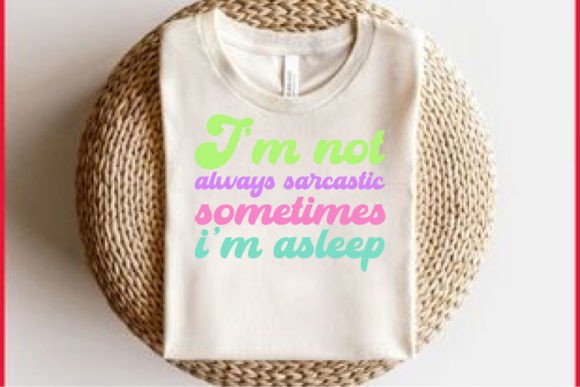
As someone who has spent years navigating the intersection of digital design and physical stitching, I approach every new machine embroidery design with a mix of curiosity and skepticism. The market is flooded with generic clip art that looks great on a screen but falls apart under the needle. When I first opened the file for Retro Funny T-shirt Design, I’m Not Alwa, my immediate goal was to determine if this piece of Graphics could survive the transition from a digital preview to a tangible, high-quality finished product. The phrase "I’m not always sarcastic sometimes i’m asleep" is a classic internet trope, but translating that humor into thread requires careful consideration of layout, density, and fabric interaction.
First Impressions: Mood and Visual Weight
The initial visual impact of Retro Funny T-shirt Design, I’m Not Alwa is undeniably nostalgic. The retro aesthetic relies heavily on specific color palettes and slightly distressed typography to evoke a vintage feel. In a digital format like the included PNG file or SVG file, the design pops with personality. However, as an embroiderer, I am immediately analyzing how the curves of the letters will translate into satin stitch or fill stitch. The text is dense, which is a double-edged sword; it offers a bold statement but risks becoming a heavy, stiff patch on lightweight fabrics if the stitch density is not optimized.
The layout feels balanced for a central chest placement on a standard adult tee, but the width suggests it might be pushing the limits of a standard 5x7 inch hoop. For those of us running small craft businesses or managing Etsy shops, knowing the dimensions before we start is crucial. If you are planning to use this as a tote bag design or on a larger canvas like a pillow cover, the scale works beautifully. But for smaller items, you will need to verify if the lettering remains legible when scaled down.
Real-World Application: From Screen to Stitch
Let’s talk about a real scenario. Imagine you are preparing a batch of custom hoodies for a holiday gift shop. You want something witty that appeals to a younger demographic. You load the embroidery file into your software, and here is where the practical evaluation begins. The retro font style often features thin serifs or decorative elements. In embroidery, thin lines can be tricky; they require precise tension and high-quality thread colors to prevent gaps or bird nesting.
I envision using this design on a heather grey sweatshirt. The contrast would be excellent, making the retro colors stand out. However, the texture of a French terry sweatshirt is different from a smooth cotton tee. On textured fabrics, fine details can get lost. If the "asleep" portion of the text includes small eyes or closed eyelids, those details might disappear into the fabric weave unless you increase the hoop size or adjust the stitch count manually. This is a common pitfall for Etsy sellers who rush to list products without testing the design on the actual material first.
For a personalized gift like a kitchen towel or an apron, the design holds up well. The humor translates perfectly to a home setting. A customer receiving a towel with this message is likely to smile, adding significant value to the item. The key is ensuring the backing stabilizer is strong enough to support the weight of the stitches without puckering the fabric. Using a cutaway stabilizer for stretchy garments or a tear-away for woven items is non-negotiable here to maintain the professional look of the custom apparel.
Navigating Fabric Challenges and Placement
While Retro Funny T-shirt Design, I’m Not Alwa is versatile, there are areas where caution is required. I would advise against using this design on very thin fabrics like rayon or silk blends without extensive stabilization. The density of the text could cause the fabric to warp, ruining the drape of the garment. Similarly, placing this design on a curved surface like a cap is risky. The text wraps around the crown, and the retro styling might distort, making the sarcasm unreadable.
If you are creating an embroidered patch instead of direct-to-garment work, this design becomes much more forgiving. Patches allow you to control the background fabric and add a merrow border, which frames the text nicely and hides any potential edge fraying. This is a smart strategy for small business owners looking to create a line of detachable accessories. You can sell the patches individually or offer them as an add-on to plain hats and bags, expanding your product catalog without needing multiple machines.
Design Assets and File Flexibility
One of the strengths of this offering is the variety of files included: one Zip containing an SVG file, DXF file, PNG file, and EPS file. For a hybrid maker who does both cutting (vinyl) and embroidery, this is essential. While the prompt mentions these formats, remember that SVG and DXF are primarily for cutting machines like Cricut or Silhouette. If you are strictly an embroiderer, you need to ensure the package actually contains the necessary .PES, .DST, or .JEF files, or that you have the capability to convert the vector data accurately. Do not assume the vector files are ready for your machine without checking compatibility.
Using the PNG file is excellent for creating printable mockups to showcase your designs online. High-resolution previews help build customer trust by showing exactly what the final product will look like. Before listing a product, I always test the design in black and white to check the contrast and then again with the intended thread palette. This step ensures that the retro vibe isn't lost due to poor color choices.
Professional Notes for Commercial Use
Before you commit to selling items featuring Retro Funny T-shirt Design, I’m Not Alwa, you must review the licensing terms. Many digital designers restrict commercial use or limit the number of finished products you can sell. Always confirm whether you are purchasing a personal license or a commercial one. For commercial embroidery projects, clarity here protects your business from legal issues down the road.
Furthermore, consider the longevity of the trend. Retro styles cycle in and out of fashion. While this specific quote has staying power, the graphic style might date quickly. If you are building a brand, think about how this design fits your overall aesthetic. Does it align with your other T-Shirt Designs? Consistency is key for brand recognition. If this design stands out too much, it might confuse customers about your niche.
Final Verdict: A Witty Addition with Caveats
In conclusion, Retro Funny T-shirt Design, I’m Not Alwa is a fun, engaging asset that brings a lot of character to handmade products. It works exceptionally well on sturdy fabrics like sweatshirts, tote bags, and pillow covers where the stitch density won't compromise the garment's comfort. The retro theme is visually appealing and resonates well with current trends in apparel decoration.
However, success depends on your preparation. Test the design on scrap fabric to check for puckering. Verify the stitch density to ensure the text remains crisp. And most importantly, respect the limitations of your equipment and the fabric you choose. If you take the time to prepare properly, this design can become a best-seller in your shop, bringing smiles to customers who appreciate a good dose of sarcasm. Just remember: even the best designer knows when to sleep, and when to stitch.