Monster Cute Funny: A Designer's Real-World Review
As a designer who has spent years translating digital concepts into tangible thread, I approach every new asset with a mix of excitement and skepticism. When I first opened the Monster Cute Funny file, I wasn't just looking at a collection of Icons or generic Graphics; I was evaluating whether this design could survive the transition from a screen to a stitched reality. The market is flooded with cute monster motifs, but few balance whimsy with technical viability. This review breaks down how Monster Cute Funny performs in actual production scenarios for small business owners, Etsy sellers, and hobbyists.
First Impressions: Visual Personality and Mood
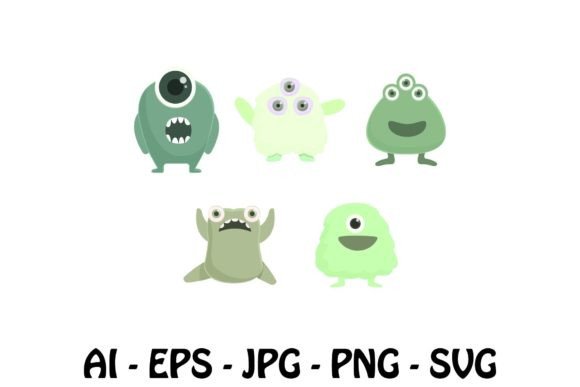
The immediate appeal of Monster Cute Funny lies in its playful energy. It captures that specific "kawaii" aesthetic that resonates deeply with parents, gift buyers, and anyone looking to add a touch of harmless mischief to their wardrobe. The shapes are rounded and inviting, avoiding sharp angles that can be problematic in embroidery digitizing. For a designer, this is crucial because smooth curves translate better into satin stitch columns and fill areas than jagged edges.
However, visual appeal on a 1920px x 1280px canvas does not always guarantee a perfect stitch-out. The layout feels balanced, making it versatile for various applications. Whether you are envisioning a nursery mobile, a custom apron for a chef with a sense of humor, or a quirky patch for a denim jacket, the character's expression holds up well. It screams personality without being overwhelming. This makes it an excellent candidate for a handmade product line where unique branding is essential.
Testing the Design in Real-Life Scenarios
To truly understand the value of Monster Cute Funny, I simulated a real project: creating a set of personalized tote bags for a local craft fair. The goal was to produce a high-quality tote bag design that would stand out among generic prints. Since the provided files include AI, EPS, and SVG formats, I had the flexibility to manipulate the vector paths before converting them into a machine-readable format.
In this scenario, the design shone when applied to a medium-weight cotton canvas. The simplicity of the lines allowed for a clean conversion into a machine embroidery design. The eyes and mouth of the monster required precise satin stitch work to maintain definition, while the body worked perfectly with a standard fill stitch. Because the design is part of the Icons category, it scales effectively. I tested it at a smaller size for a cap patch and a larger version for a sweatshirt back print. In both cases, the core features remained recognizable, which is often a struggle with complex monster illustrations.
For Etsy sellers and boutique owners, this versatility is a goldmine. You can use the same asset for custom apparel, baby onesies, and even holiday gifts like pillow covers. The "cute funny" aspect ensures broad appeal across demographics, from toddlers to adults who appreciate retro-kitsch aesthetics. If you are building a brand around cheerful, handmade goods, Monster Cute Funny adds a layer of charm that mass-produced items simply cannot replicate.
Navigating Technical Challenges and Fabric Choices
While the design is robust, it is not without its challenges. As with any embroidery file, the success of the final product depends heavily on your preparation. I advise caution when using Monster Cute Funny on very thin or highly textured fabrics. On a delicate silk scarf, the density of the stitches might cause puckering, distorting the friendly face of the monster. Similarly, on stretchy knits like jersey, the design requires a strong stabilizer to prevent distortion during stitching and subsequent washing.
Another critical area is the hoop size. Although the canvas size is generous, the intricate details of the monster's features demand adequate space. Attempting to shrink this design too much for a tiny buttonhole or a small keychain patch risks losing the facial expressions that make it "funny." If the eyes become mere dots due to low resolution or excessive scaling, the character loses its soul. Always check the stitch density before committing to a full run. High-density areas, particularly in the fill stitches, need proper underlay to ensure they lay flat against the fabric.
Color selection also plays a pivotal role. The design works best with high-contrast thread colors. A light pastel monster on a dark navy background creates a striking visual pop, whereas similar tones might cause the design to blend into the fabric. For commercial embroidery projects, testing the color palette on scrap fabric is non-negotiable. This step ensures that the final finished product meets professional standards and maintains customer trust.
Strategic Use for Craft Businesses and Personal Projects
For the creative entrepreneur, Monster Cute Funny offers more than just a single image; it is a tool for brand consistency. Imagine using this character as a recurring motif across different product lines—embroidered patches, tea towels, and baby embroidery sets. This repetition builds recognition and loyalty among your customers. The fact that you receive multiple file formats (AI, EPS, SVG) means you can adapt the design for digital product previews, social media mockups, and even laser cutting if you expand your offerings beyond embroidery.
When preparing for a craft business launch, consider the seasonality of the design. While monsters are year-round favorites, they have a special place in Halloween collections and spooky-but-cute holiday embroidery themes. However, do not limit yourself to October. The universal appeal of cute characters makes them viable for birthdays, baby showers, and general gifting throughout the year.
Essential Designer Notes for Success
- Test First: Never skip the test run on scrap fabric. Check for tension issues, especially in the curved areas of the monster's face.
- Stabilizer Selection: Use a cut-away stabilizer for stretchy fabrics like sweatshirts and a tear-away for stable wovens like tote bags.
- Licensing Check: Before selling finished items or reselling the digital files, confirm the licensing terms associated with the digital embroidery file to avoid legal issues.
- Maintain Proportions: Avoid extreme resizing. Keep the design within a range that preserves the clarity of the eyes and mouth.
- Mockup Verification: Create black and white printable mockups to assess contrast and visibility before investing in expensive thread.
Ultimately, Monster Cute Funny is a solid addition to any designer's library. It bridges the gap between digital creativity and tactile craftsmanship. By respecting the technical requirements of embroidery and leveraging the design's inherent charm, you can create products that customers will love and cherish. Whether you are a seasoned pro or a beginner exploring the world of small shop product creation, this design offers a reliable foundation for your next successful project.