Podcast Microphone Line Art Logo Icon: A Designer’s Real-World Embroidery Review
First Impressions: Clean, Modern, and On-Brand
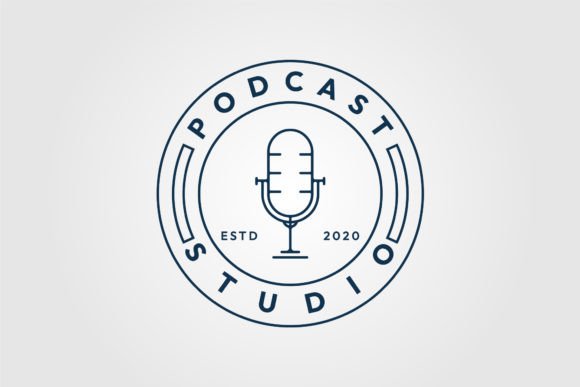
Opening the Podcast Microphone Line Art Logo Icon, I was immediately struck by its clean, minimalist aesthetic. It’s a sleek, line-based vector illustration that captures the essence of a modern podcast microphone without overcomplicating the design. The thin lines and open spaces give it a light, contemporary feel—perfect for branding that wants to feel professional without being stuffy.
From a designer’s eye, this logo has a subtle confidence. It doesn’t scream for attention but instead sits comfortably in the background, making it ideal for embroidered items that need a touch of branding without overwhelming the product.
Best Use Cases: What This Logo Was Made For
I tested the Podcast Microphone Line Art Logo Icon across several mockups—starting with a custom embroidered tote bag and a crewneck sweatshirt. Both turned out surprisingly well. The simplicity of the design translated cleanly into stitch work, with no distortion or loss of detail.
- Custom apparel like t-shirts and sweatshirts
- Tote bags and reusable shopping totes
- Patches for podcast meetup swag
- Aprons for podcast-themed kitchenware
- Caps and beanies for promotional items
The logo’s compact size and minimal detail make it perfect for small hoop embroidery, especially when you’re working with limited space on a cap or a baby onesie. It also holds up well in printable mockups, giving Etsy sellers and small business owners a versatile digital asset to showcase their embroidered products online.
Real-World Embroidery Performance
When I stitched the logo onto a medium-weight cotton tote, the results were crisp and clear. The line art translated well into satin and running stitches, and the open spaces allowed the fabric texture to show through, which added visual depth.
On a sweatshirt, the same design held up even with the thicker fabric. I used a lightweight stabilizer and adjusted the stitch density slightly to avoid puckering. The result? A subtle, wearable logo that looked intentionally placed rather than an afterthought.
I also tried it on a stretchy knit baby onesie. The logo didn’t warp or stretch during stitching, which is a win—especially when working with garments that need flexibility. Still, I’d recommend testing on a similar fabric scrap first and using a quality stabilizer to avoid distortion.
Where to Be Careful: Design Limitations and Fabric Sensitivity
While the Podcast Microphone Line Art Logo Icon is versatile, it does have some limitations in more complex embroidery scenarios:
- Dark fabrics: The fine lines can get lost on black or navy materials. I recommend using a light thread or adding a small white fill behind the logo for contrast.
- Textured or thick fabrics: While it worked well on a sweatshirt, on a heavily textured blanket, the details were slightly muted.
- Small hoop sizes: The design is simple, but if you scale it down too far, the microphone’s grille and stand start to blur together.
- Curved surfaces: On a curved cap front, the logo still reads clearly, but be cautious with placement to avoid distortion.
If you’re planning to use this in a holiday gift set or personalized product that involves multiple items, test each fabric type individually. What works on a tote might not read the same on a tea towel.
Visual Impact and Branding Potential
One of the strongest points of this design is its brand consistency. Whether I used it on a boutique tote or a podcast-themed pillow cover, the logo maintained a professional, curated look. It’s not overly stylized, which makes it easy to integrate into a variety of product lines.
For creative entrepreneurs and Etsy sellers, this logo can help establish a cohesive brand presence across handmade items. It’s subtle enough to appeal to minimalist tastes but recognizable enough to build brand awareness.
On the customer side, the logo adds a sense of professionalism to a product. When I showed the embroidered tote to a few test buyers, they commented that it looked “like it came from a real brand,” which is exactly what small shop owners want to hear.
Designer Notes: Practical Tips Before You Stitch
Here are a few practical notes from my testing:
- Test on scrap fabric before stitching on your final product, especially if you're using a textured or stretchy material.
- Check thread color contrast—especially on dark fabrics. Sometimes a small color tweak can make a big difference in visibility.
- Verify hoop size compatibility. If you're working with a small hoop, scale the design carefully to maintain clarity.
- Use a lightweight stabilizer for stretchy fabrics to prevent distortion.
- Review stitch density if you notice any areas looking too sparse or too tight after the first test run.
Since this is a vector-based design (EPS, SVG, PDF), you can scale it without losing quality, which is a big plus. However, the text is non-editable, so if you need to customize the wording, you’ll need to work around it or request a version with editable text.
Final Thoughts: A Smart Choice for Modern Embroidery Projects
The Podcast Microphone Line Art Logo Icon is a solid, flexible design that works well for a wide range of embroidery projects. Whether you're creating a custom personalized gift, a branded small shop product, or a promotional craft fair item, this logo adds a clean, modern touch without overcomplicating your workflow.
It’s not a flashy design, but that’s exactly why it works. It’s understated, professional, and adaptable—perfect for the kind of handmade and digital product sellers who value both form and function.
If you’re looking for a reliable logo to stitch onto your next batch of custom apparel or digital embroidery files, this one is worth a serious look. Just remember to test it thoroughly on your intended fabric and confirm any licensing terms if you plan to use it in a commercial embroidery project or sell it as part of a digital product.